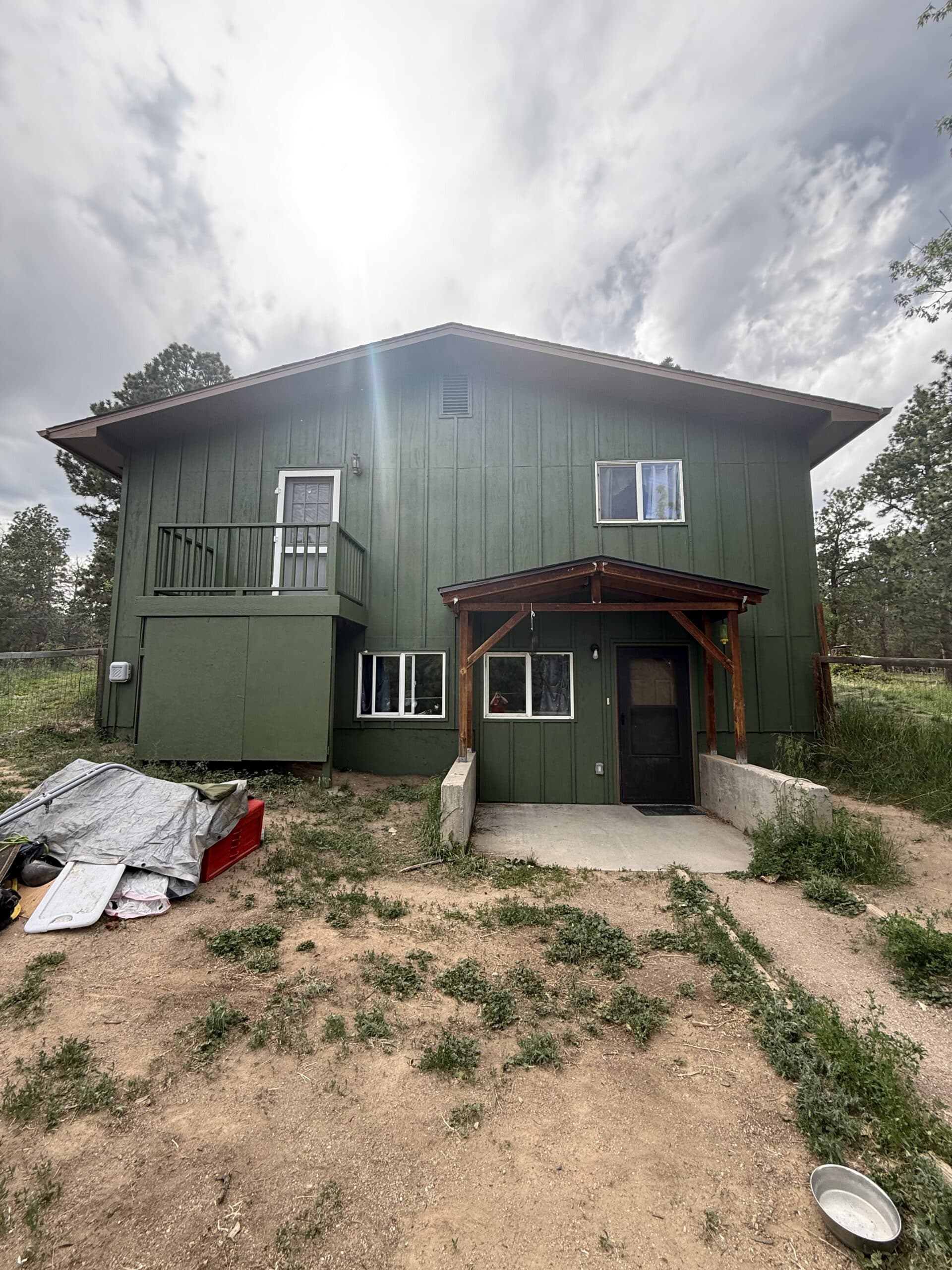
Walk your driveway on a bright Colorado morning and glance at the south side of your house. If that wall looks a little tired, a shade lighter than the trim beside it, you are seeing the most common reason homeowners start asking how long does exterior paint last on a home up here. Close behind it is the bigger question of how often to paint house exterior in a climate with this much sun. There is no single number that fits every house, and anyone who hands you one without seeing your home is guessing. Solid exterior house painting in Colorado Springs runs on a different clock than the same job in a mild coastal town. The weather here ages paint faster and less evenly.
This is one of the first questions I hear on almost every walkthrough. So here is the real answer, the reasons behind it, and the signs it is time.
How Often to Paint House Exterior Walls Up Here
National paint makers set the typical repaint window at roughly 7 to 10 years. Colorado Springs sits at the shorter end of that. For most homes here, plan to repaint every 5 to 7 years, sooner on the sunny sides. The climate is the whole reason our number is lower than the national one.
Elevation is the first culprit. We sit above 6,000 feet, where the air is thinner. The Environmental Protection Agency reports that UV radiation increases by about 2% for every 1,000 feet of elevation. In Colorado Springs, that puts the UV load about 12 percent higher than at sea level. That extra load fades color, breaks down the binders in the paint, and leaves the chalky film you can rub off a south wall. The sun is the single biggest factor in how fast a paint job ages here.
Then the temperature piles on. A single spring day can swing 40 degrees or more from afternoon to night. Paint expands in the heat and contracts in the cold, over and over, until it cracks and loses its grip. Add the summer heat and the dry air that pulls moisture from wood and caulk. None of this means your paint will fail early, but it does work harder than paint in most of the country.
How Long Different Surfaces Last
Not every part of your house ages at the same rate. The material under the paint shapes the timeline as much as the weather does. Here is what I see on homes across Colorado Springs, Monument, and Black Forest. Read it as a planning range, not a promise, since prep and product quality can move these numbers in either direction.
| Surface | Typical repaint window here | What drives the timing |
|---|---|---|
| Wood siding and trim | 5 to 7 years | Soaks up sun and moisture; first to show wear |
| Stucco | 7 to 10 years | Holds coating well, but hairline cracks let water in |
| Fiber cement (James Hardie and similar) | 10 to 12 years | Stable surface that takes paint evenly |
| Brick (once painted) | 7 to 10 years | Needs the right primer, or the paint lets go early |
| Decks and fences | Re-stain every 2 to 4 years | Flat, walked on, and fully open to sun and snow |
Wood asks for attention soonest, so trim, fascia, and window frames are usually the first thing I flag on an older home. Stucco is common here and lasts longer, though an open crack shortens its lifespan quickly. The surface you have should shape your repaint schedule more than any general rule of thumb.
Signs It Might Be Time
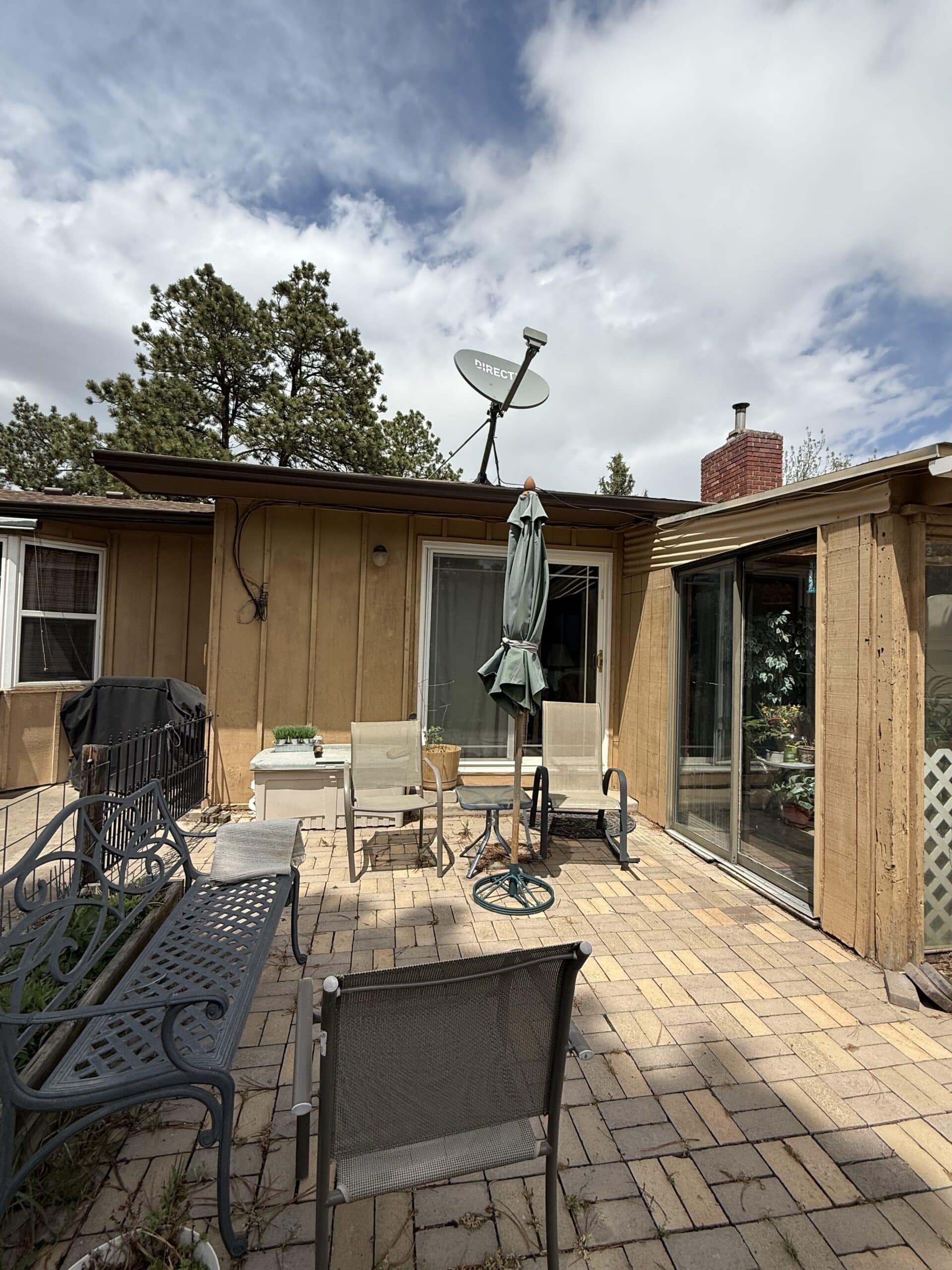
You do not need a calendar to know a repaint is coming. The house will show you. On your next walk around the yard, look for a few things:
One or two small spots might only call for a touch-up. When several show up across a wall, the coating is telling you it has done its job. Catching it at that stage costs far less than waiting until the wood underneath starts to suffer.
Why Some Paint Jobs Fail Way Too Soon
Here is the part that surprises people. When a paint job in Colorado Springs peels after only two or three years, the climate usually gets the blame. Most of the time, the real cause is what happened before the paint went on. Prep is what makes a coating last, and it is the first thing a rushed or cheap job skips.
Rolling fresh color over a dirty, chalky, or unprimed wall invites early failure. So does caulk that was never replaced. When water slips behind the paint through a failed joint, the coating peels from the inside out. The way we handle exterior painting projects starts with a full pressure wash. Then we scrape, sand, prime bare spots, replace bad wood, and re-caulk gaps. Only then does a finish coat go on. The paint you can see is only as good as the prep you cannot.
How to Stretch the Time Between Repaints
Once you know how often to paint house exterior walls in this climate, the next move is stretching that window as far as it will go. You have more control over the clock than you might think. A few habits add years to a paint job on a Colorado home:
None of these are complicated. Together, they are the difference between repainting every five years and every eight. A little upkeep spreads the cost across more years, which is the cheapest way to own a home that looks cared for.
Touch Up, or Repaint the Whole Thing?
A fair question once you spot wear: patch it or redo it? The answer depends on how far the wear has spread and how much of it you can safely reach.
A single faded shutter, a peeling patch of trim, or a scuffed door is a reasonable weekend project for a handy homeowner. Once the fading or peeling covers the whole wall, or shows up on the second story, a spot fix will not match and will not last. That is the point where a full repaint saves money. You prep and coat the entire surface at once, rather than chasing down failures one patch at a time. A mismatched touch-up can look worse than the wear it was meant to hide.
What Waiting Too Long Really Costs
Paint is not only about looks. It is the layer that keeps water, sun, and pests off the wood underneath. When you push a repaint years past due, the coating stops protecting the surface, and bare wood soaks up moisture. That is when a paint project turns into a carpentry bill, with rotted trim and siding that must be replaced before painting.
Stay ahead of it, and the math works in your favor. A well-kept exterior returns around half its cost at resale. And in a 2019 National Association of Realtors survey, two out of three agents ranked fresh paint among the projects most worth doing before listing. Repainting on schedule is one of the least expensive ways to protect the biggest purchase most people ever make.